WHAT WE OFFER:
Manuscript Assessment:
This part, the only one, we offer for free. Or we will until such time that we become inundated with manuscripts to read. Then again, one can usually tell in the first few pages if a work has merit; after all, we usually buy books on the strength of the first page, or paragraph, or sentence.
Editing & proofreading:
This is where the grind of publishing begins. Then again you should not, ever, hand a manuscript to a professional editor until you have edited it yourself at least three times. And the wisdom of editing is cut, cut, cut.
What All Does Editing Entail?
You can get a friend or family member to edit your manuscript, but invariably it will show. Rather ask them to read it for style, content and basic grammar. In fact we insist you do this before submitting to us. Editors are to a book what engineers are to a building.
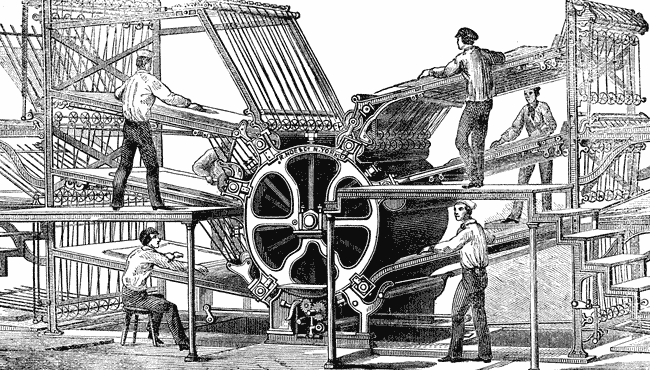
Editing is a complex process: the editor checks first the basic grammar, then for style, then making sure the plot runs logically and tightly.
After that the author attends to the editor’s queries (usually using “track changes/insert comments"). Then it’s back to the editor for the final nip and tuck.
Cutting is also a big part of the process: most writers fall in love with the sight of their own text and lose sight of the plot for all the words.
To quote someone: “Nothing keeps a writer humble more than finding a typo in their printed book”. Take any shortcuts and you’ll feel the savings.
Copy setting:
Setting of copy sounds like the easiest of jobs and you’d think a kid, or even an adult could do it. But you’d be wrong. The craft of setting dropped caps, for example, eludes even designers who were not schooled in the fine art of old-school typography (words like leading and kerning come to mind).
There are rules which, if you don’t know them, are going to trip you up and lead to an unsightly document. How about choosing a typeface, serif or sans, old or new style? They each have specific roles. It gets seriously complicated and can end up with a cat’s cradle before you know it.
Cover design and typography:
The same as for setting, if you don’t know the basics of cover design and typography there’s a dark hole you could fall into. Having jumped all those hurdles, we know a rule and a trick or two.
Printing & other publishing:
Today “publishing” is a broad term, because it could mean rendering on paper, in electronic format or even audial. We can facilitate all of them depending. Choosing the paper could be the biggest blunder or boon.
Marketing & Events:
This is where your roadshow as a writer begins. If you cannot spread the word who can? Any writer we take on board would be expected to drive the marketing initiative. The most important platform to feed these days is social media. We will also strive as best we can to organise publicity events such as launches, book fairs and more. Getting sales is all about getting eyeballs and getting eyeballs is all about getting your book reviewed.
Sales:
We do not regard the conventional book trade as being our primary sales channel: it’s heavily overstocked, it’s hard for an independent to get shelf space, and the profit margins are like a mongoose – slender! There are other avenues and we’d explore each according the cut of the book.
Events:
We also plan to have a significant presence in various events, book fairs, public talks and workshops. It won’t all happen overnight, but it will be far more extensive that an individual would be able to achieve.
The Full Monty:
All of the above wrapped up in one publishing deal.

